

Women’s trouser cuts: a guide to choosing the perfect pair
Choosing a pair of trousers is not simply a matter of finding the right size or colour. The cut determines how the fabric falls, how much room there is around the leg and the proportions it creates within an outfit. This is why two pairs of trousers in the same size can feel completely different.
Understanding the main women’s trouser cuts helps you shop more thoughtfully and find pieces that genuinely suit the way you dress. A straight cut can become an everyday staple; a flare creates a more defined silhouette; and a wide-leg design completely changes the movement of an outfit. There is no single cut that is better than all the others—only one that is better suited to the effect, comfort and occasion you have in mind.
In this guide, we explore the differences between barrel, flare, skinny, slim, straight and wide-leg trousers. If you would rather look at all the options first, you can browse Mon&Pau’s collection of women’s trousers and compare the different shapes, lengths and materials.
What does the cut of a pair of trousers really mean?
The cut describes the shape that a pair of trousers follows from the waist down to the hem. It takes into account the width around the hips, the fit through the thighs and knees and the opening of the leg. The rise and length also affect the final result, although they are separate features: a pair of trousers can be straight and high-waisted, or wide-leg and cropped.
The material transforms the way the cut looks and feels. A fluid fabric creates more movement, while leather or suede adds structure and gives the silhouette greater definition. It is therefore worth considering not only the name of the cut but also the composition, drape and measurements of the garment.
The main types of women’s trouser cuts
Barrel trousers: controlled volume and a distinctive silhouette
The barrel cut becomes wider around the hips and thighs before narrowing again towards the ankle. Its curved shape creates volume without becoming a completely wide pair of trousers. It is a good alternative to a classic straight cut when you want a more distinctive shape with a defined hem.
A simple T-shirt, a tucked-in shirt or a clean-lined jumper will help reveal the waist and balance the volume. Barrel trousers also work well with shoes that leave the ankle visible, loafers or close-fitting ankle boots. Browse the selection of barrel trousers to see how this shape changes depending on the fabric and length.

Flare trousers: fitted at the top and wider at the hem
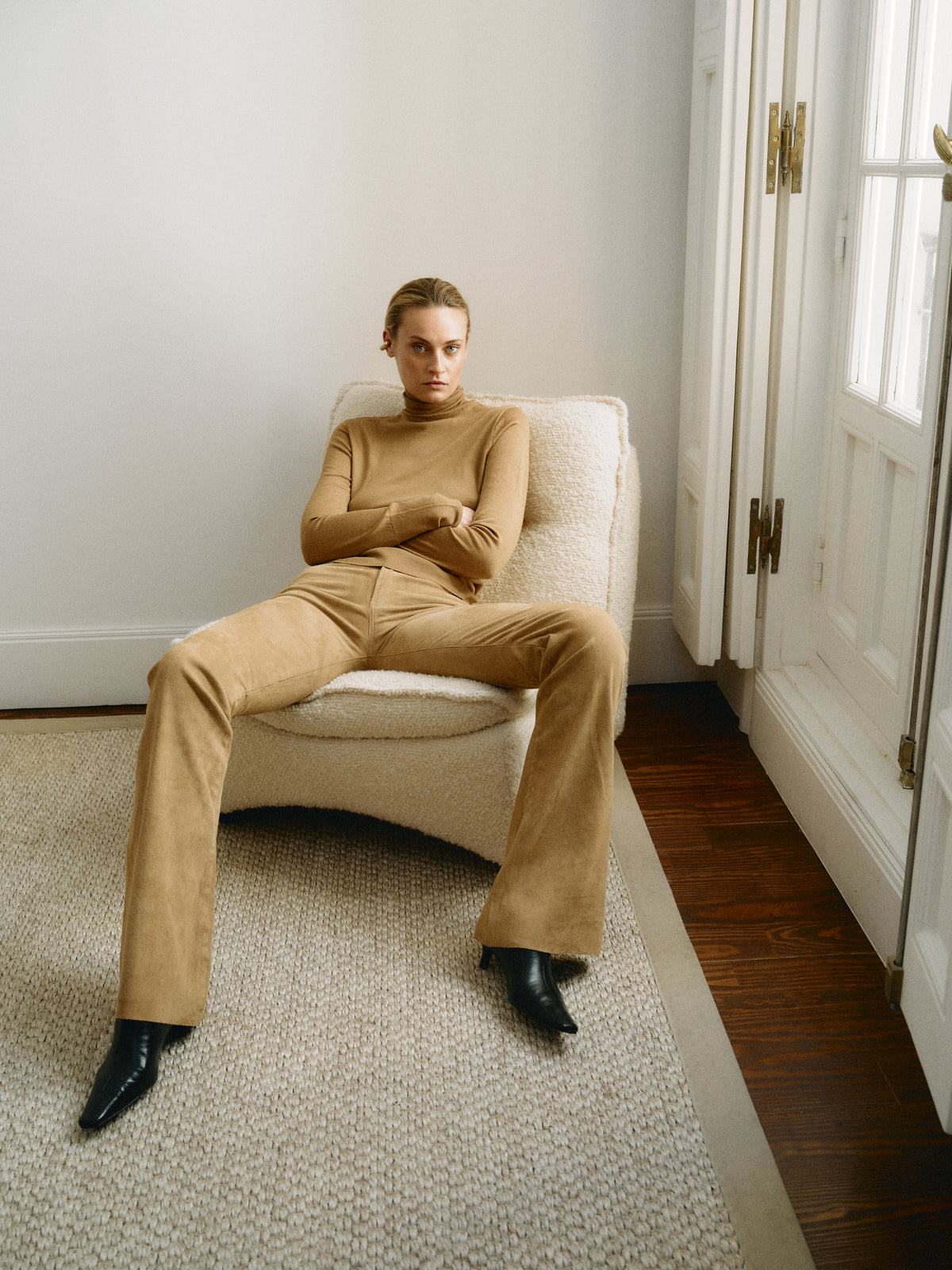
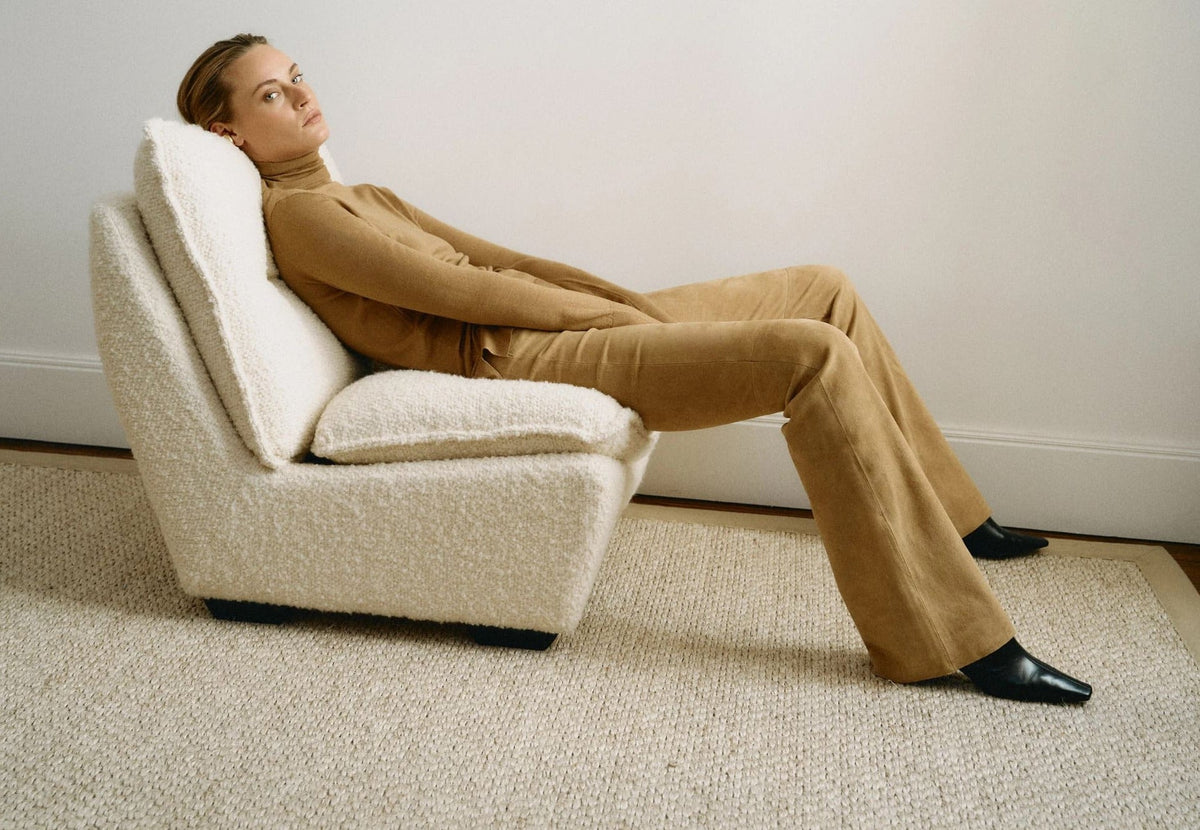
Flare trousers are generally fitted around the hips and thighs before gradually widening from the knee. This is the quintessential bell-bottom shape, creating a distinctive line with a subtle seventies influence that can feel elegant, relaxed or bold depending on the material.
Length is particularly important with this cut: the hem should come close to the floor without dragging. Heels or platforms create a continuous line, while with boots it is important to make sure the shaft does not show through the trousers. A shorter top keeps the waist visible, whereas a blazer gives the outfit a more formal direction. If this is the effect you are looking for, discover the collection of women’s flare trousers.
Skinny trousers: a close fit along the entire leg
Skinny trousers remain close-fitting from the hips to the ankles. Unlike other fitted shapes, they trace the whole leg and usually have a narrow hem opening. Their character depends greatly on the fabric: when the material has some stretch, the trousers move more comfortably with the body; a fabric with greater weight creates a more structured appearance.
They pair easily with oversized shirts, long jumpers or blazers and work particularly well with tall boots, as the narrow leg can be tucked inside. Before choosing a pair, check the stretch, rise and hem measurement rather than relying only on your usual size. The selection of skinny trousers brings together the most closely fitted designs.

Slim trousers: fitted, but with a little more room
Skinny and slim trousers are often confused, although they do not offer the same fit. A slim cut follows the line of the leg but leaves slightly more room, particularly from the knee to the ankle. The result is sleek and defined without sitting completely against the body.
Slim trousers can be worn with a shirt and loafers for work or paired with a jumper and ankle boots for a more informal outfit. If you want a defined silhouette that is not as close-fitting as a skinny cut, slim trousers offer a useful middle ground. Explore the collection’s slim trousers.
Straight trousers: a clean line that always finds its place
Straight trousers maintain a fairly consistent width from the thigh to the hem. They neither cling to the ankle nor create a pronounced flare, resulting in a clean, balanced line. This cut is easy to incorporate into a wardrobe because it is not tied to one particular trend.
An ankle-length version feels lighter and draws attention to the shoes, while a full-length design creates a more continuous line. Straight trousers can be worn with a blouse, T-shirt, knitwear or blazer without having to rethink the proportions of the outfit. If you want a style that can move easily from the office to dinner, women’s straight trousers are a good place to begin.
Wide-leg trousers: width and movement from top to bottom
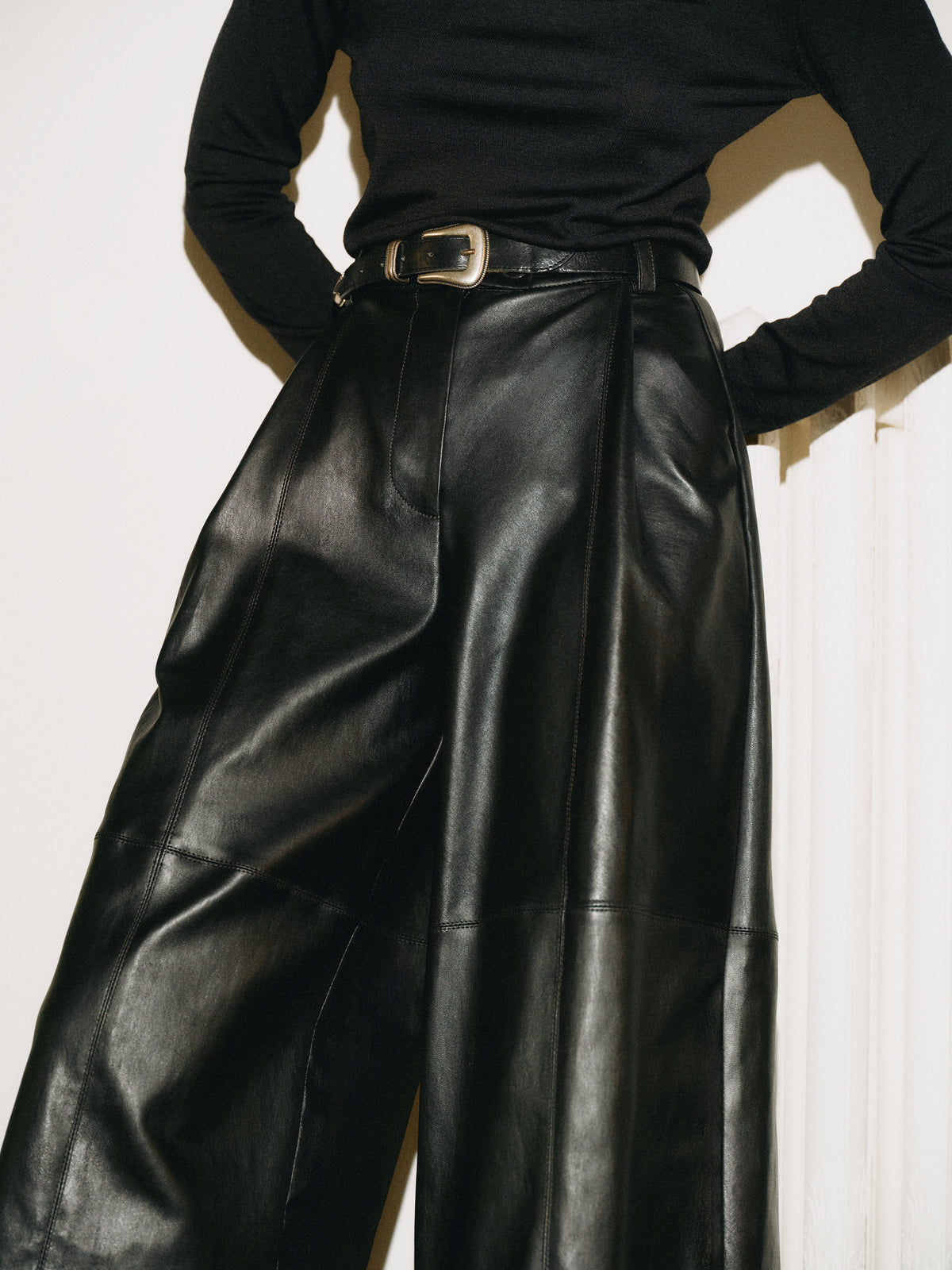
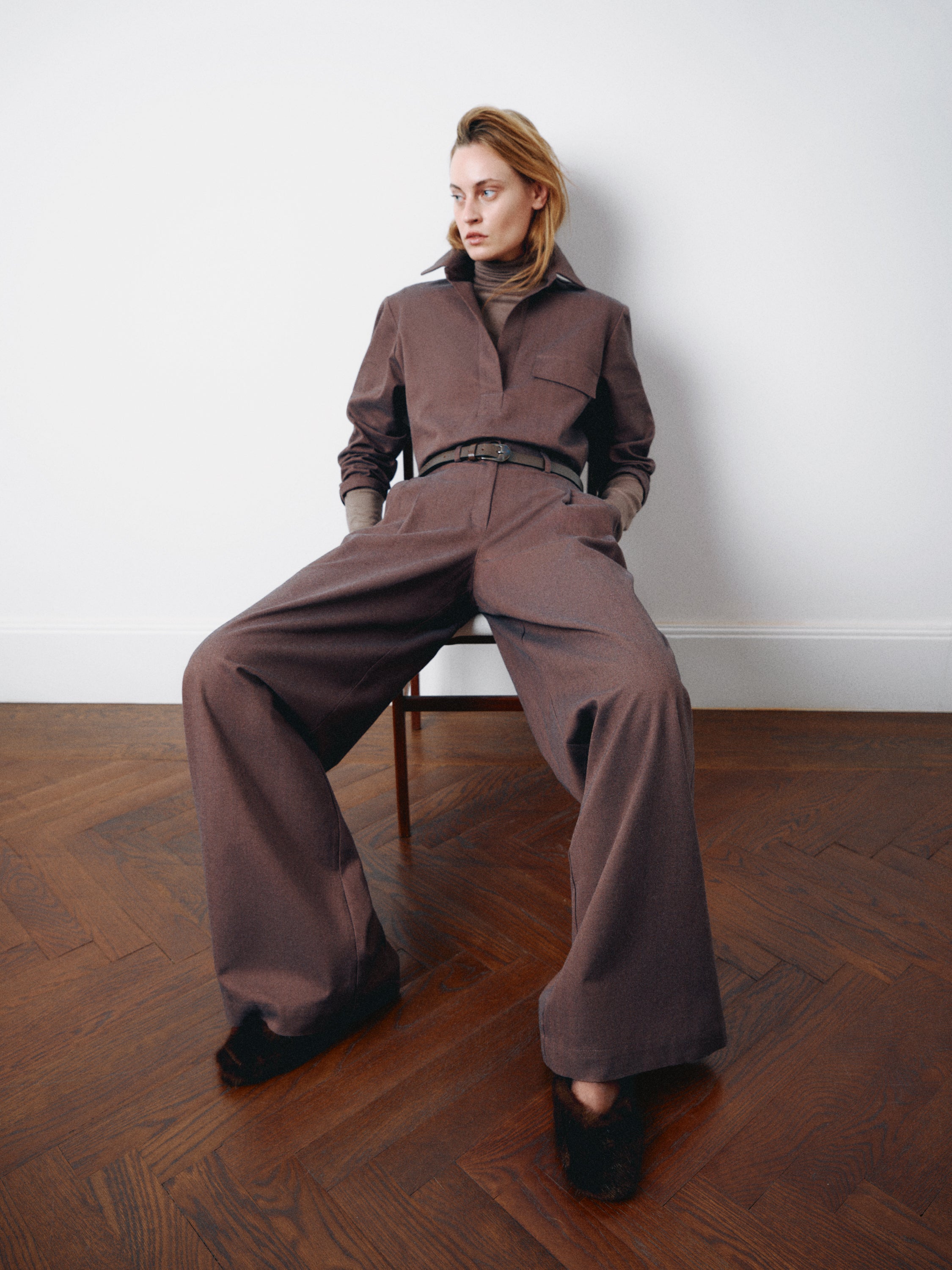
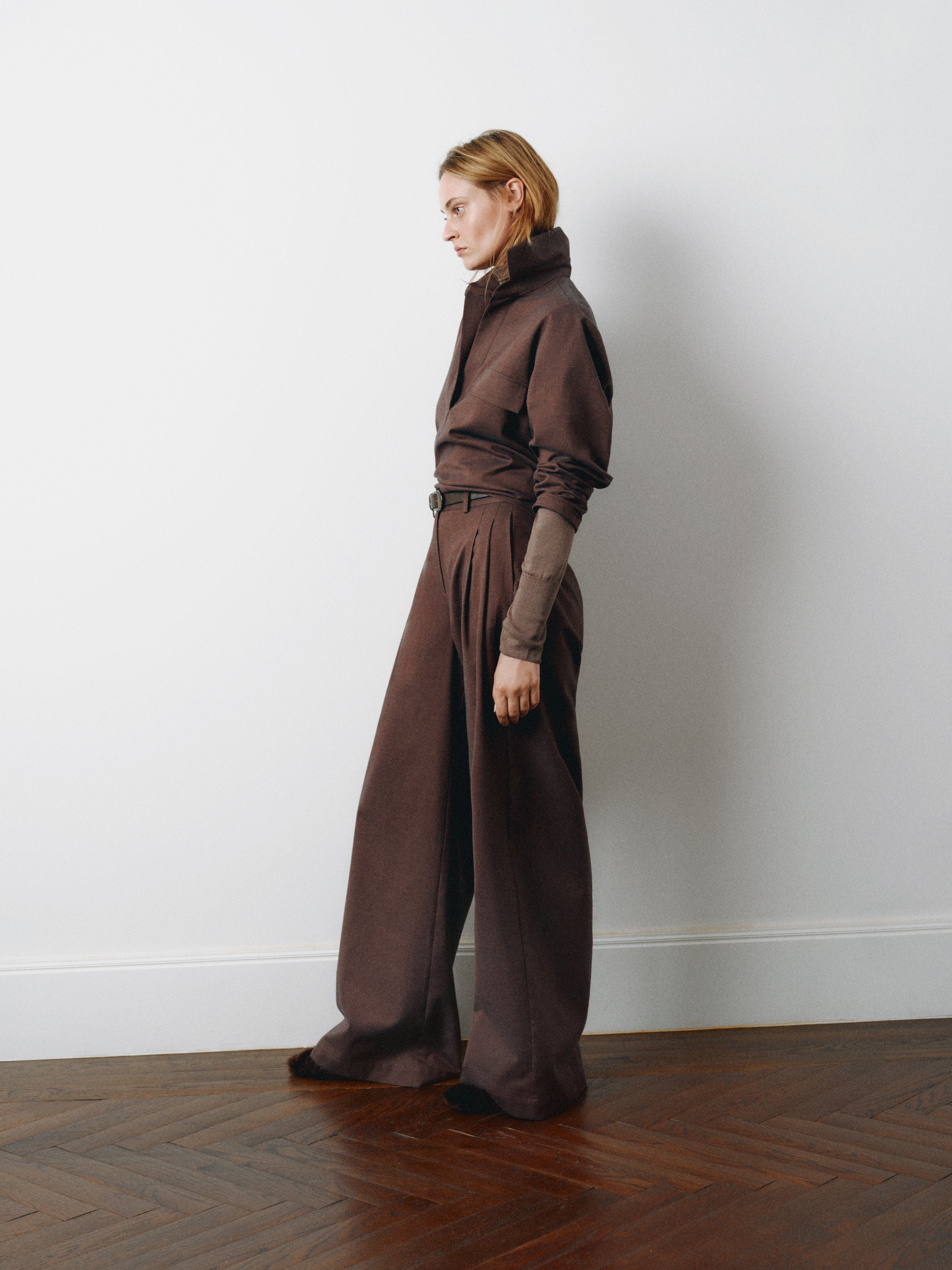
Wide-leg trousers have a broad leg that falls from the hips—or very close to them—down to the hem. Unlike flare trousers, they do not need to be fitted through the thigh or widen from the knee. Their defining feature is a continuous sense of volume that brings movement and presence to an outfit.
Notice where the volume begins and how the fabric responds as you walk. A material with plenty of drape creates a fluid effect, whereas a more structured fabric produces a stronger, more graphic silhouette. Full-length styles work well with platforms or heels, while cropped versions can be worn with ballet flats, sandals or loafers. Explore the wide-leg trousers if you prefer a spacious cut with plenty of movement.
How do you choose the perfect trouser cut?
The best place to start is not by asking which cut you “should” wear, but what you want from the garment. Straight trousers are easy to wear repeatedly; slim trousers create a defined line with more room than skinny trousers; flares create a long visual line; wide-leg trousers offer continuous volume; and the barrel cut introduces a more controlled sense of shape.
Think about your routine as well. Will you spend many hours sitting down? Check the rise, waistband and room around the hips. Do you want to wear the trousers with several types of shoes? Choose the length with the footwear you actually wear in mind. Are you looking for something to pair with oversized tops? A cleaner or more fitted cut can make the proportions easier to balance, although combining different volumes can also work when the outfit retains one point of definition.
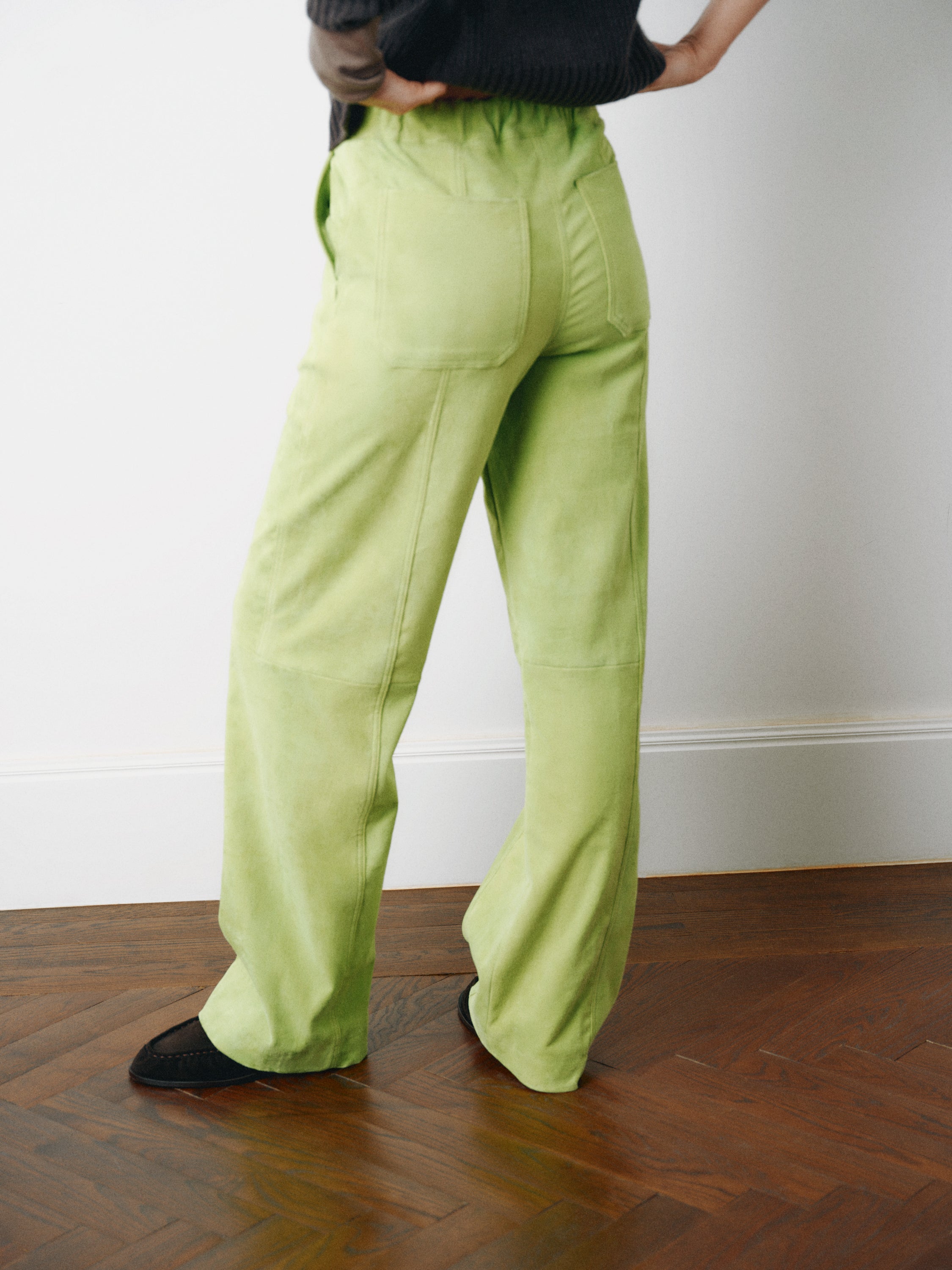
Do not assume that you will wear the same size in every cut. The pattern changes how the garment sits at the waist, hips and legs. Check the measurements and material description carefully: with leather or suede trousers, structure and flexibility are just as important as the silhouette.
A simple way to compare different trouser cuts
If you are deciding between several styles, try them with the same top and shoes. This will allow you to see how the proportions really change. Walk, sit down and check the hem: the perfect pair of trousers should not only look good, but also move naturally with you.
There is no need to choose just one cut. Straight trousers can make getting dressed feel effortless, a wide-leg design can add movement and a flare can change the mood of a more special outfit. Understanding the differences between trouser cuts allows you to choose with intention and build a wardrobe that works for more moments without losing sight of your personal style.
NEW COLLECTION


Read more
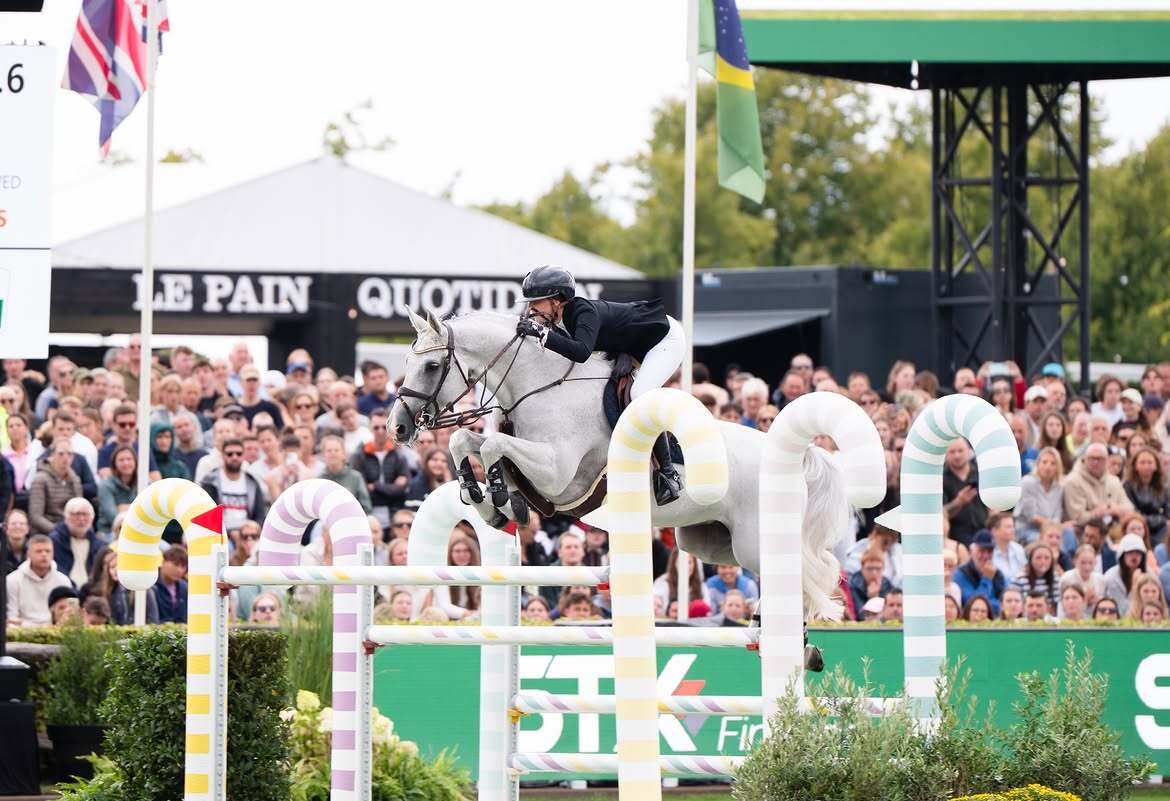
Mon&Pau: Elegance at the Brussels Stephex Masters
Mon&Pau officially announces its presence at the Brussels Stephex Masters, one of the world's most prestigious five-star show jumping events, taking place in Brussels from August 26 to 30. Inte...
Read more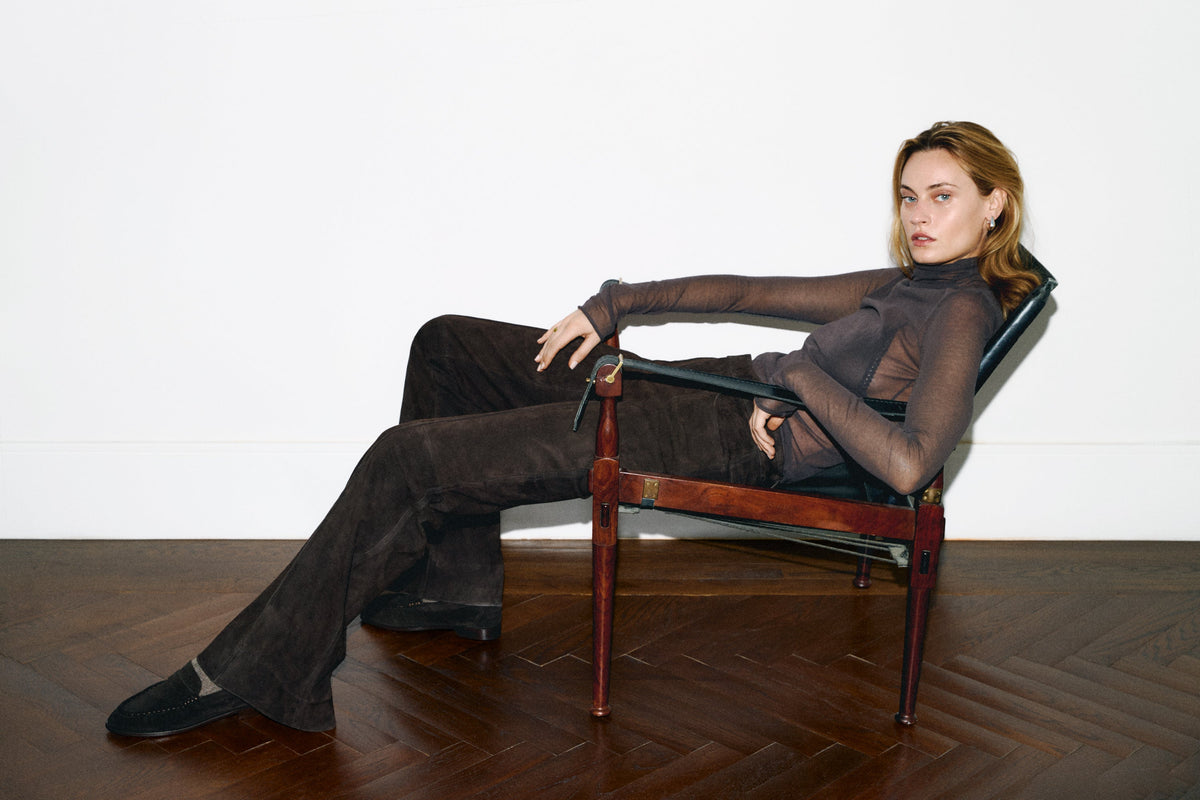
Fall/Winter 2026/2027 Color Trends: How to Wear Them Your Way
Which colors are trending for Fall/Winter 2026/2027? This season brings together easy-to-wear shades—chocolate brown, olive green, deep blue—and a few more unexpected choices, such as purple and re...
Read more